Closed Toe Shoes For Work Policy WEB resistant shoes have built in toe guards These shoes must have I 50 and I 75 ratings as well as reach the C 50 and C 75 threshold Beyond compression and impact resistance shoes required for different types of jobs will reflect their own specific list of standards For example a shoe buyer might find an ASTM
WEB Dec 9 2013 nbsp 0183 32 The employer is not required to pay for non specialty safety toe protective footwear including steel toe shoes or steel toe boots and non specialty prescription safety eyewear provided that the employer permits such items to be worn off the job site WEB If you require employees to wear protective footwear you as the employer must provide and pay for it unless the PPE is non specialty safety toe protective footwear that you allow employees to wear off the job site
Closed Toe Shoes For Work Policy
 Closed Toe Shoes For Work Policy
https://i.pinimg.com/originals/e5/1d/ff/e51dffa191f851ef58d7aed9294d4a5d.jpg
WEB Employers do not pay for non specialty safety toe protective footwear if the employer allows employees to wear the shoes off site Employers do not have to pay for steel toe boots but OSHA requires employers to pay for protective footwear required for
Templates are pre-designed documents or files that can be used for different purposes. They can conserve effort and time by offering a ready-made format and design for creating various type of content. Templates can be utilized for personal or professional projects, such as resumes, invites, leaflets, newsletters, reports, presentations, and more.
Closed Toe Shoes For Work Policy
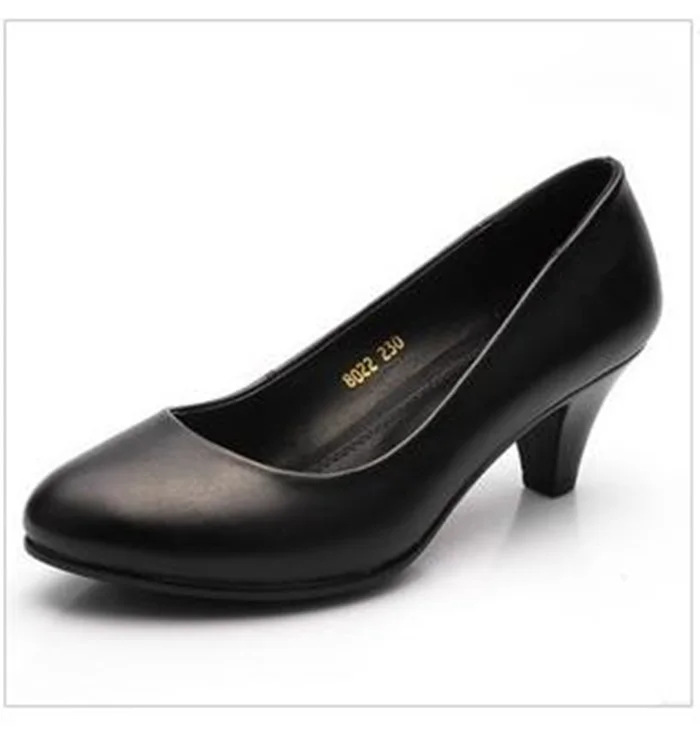
Wedding Shoes Time Limited Freeshipping Closed Toe Rubber Plus Size

Chicfeeling Closed Toe Chunky Heel Heels Ankle Strap Sandals Chunky
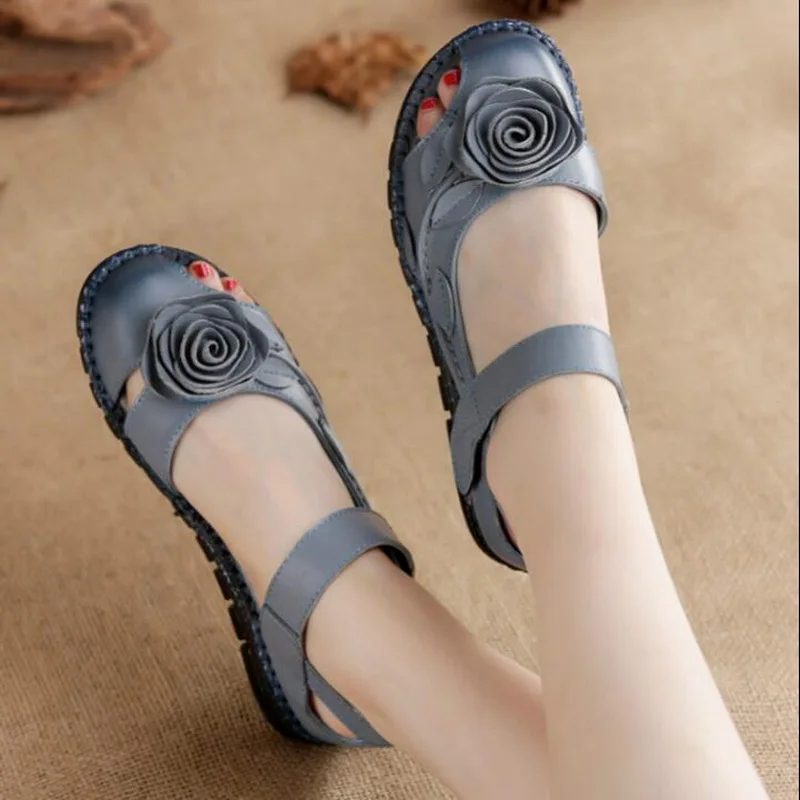
Genuine Leather Women Sandals Summer Shoes Women Comfortable Closed Toe

Aquazzurawomens Shoes Pointed toe Flat Mules 49 Off The Daily Low

Earth Leather Closed Toe Sandals Lynx Page 1 QVC

Women s Wendi Closed Toe Wedge Pumps A New Day Taupe 11 Black

https://ehsdailyadvisor.blr.com/2021/03/protective...
WEB Mar 30 2021 nbsp 0183 32 In general employees must wear protective footwear when working in areas where there is the danger of foot injuries due to falling or rolling objects or the danger of objects piercing the sole and where employees feet are exposed to electrical hazards

https://www.osha.gov/laws-regs/standardinterpretations/2003-08-28
WEB Aug 28 2003 nbsp 0183 32 The OSHA occupational foot protection standard at 29 CFR 1910 136 a requires the use of protective footwear when employees are working in areas where there is a danger of foot injuries due to falling or rolling objects or objects piercing the sole and where there is a possibility of the employee s feet being exposed to an electrical hazard
https://www.osha.gov/laws-regs/regulations/...
WEB 1910 136 a General requirements The employer shall ensure that each affected employee uses protective footwear when working in areas where there is a danger of foot injuries due to falling or rolling objects or objects piercing the sole or when the use of protective footwear will protect the affected employee from an electrical hazard

https://oshwiki.osha.europa.eu/en/themes/...
WEB Jun 18 2013 nbsp 0183 32 This article covers definitions technical and protective requirements as well as provides a brief overview on the characteristics of selected footwear designed for use in special work environments i e fireman s shoes

https://www.esminsite.com/blog/establishing-a-shoe...
WEB Nov 5 2019 nbsp 0183 32 Establishing a Personal Protective Equipment PPE program at your worksite can be challenging In this article we ll first discuss the requirements of the PPE Standard and then narrow our focus on one aspect of your PPE program deciding on the appropriate foot protection shoe policy for the job
WEB Respiratory Protection Wear closed toe shoes at all times in buildings where chemicals are stored or used Do not wear perforated shoes sandals or cloth sneakers in laboratories or where mechanical work is conducted These shoes offer no barrier between you and chemical and physical hazards WEB The rule improves worker acceptance of wearing PPE by providing information on applicable PPE for a particular work activity and for state employees permits employee selection of a PPE that meets personal as well as work requirements Foot protection includes safety shoes or boots and leggings
WEB Plain and simple OSHA does not forbid employers from setting protocol for prescribed work attire Nor does the agency say employees can t wear casual footwear including sandals clogs and Crocs