What Is Antagonist In Ivf Jan 3 2023 nbsp 0183 32 The fixed Day 5 6 GnRH antagonist protocol without any pretreatment appears to lead to better reproductive outcomes compared with a flexible antagonist protocol based on ultrasound monitoring only or using antagonist protocols with OCP pretreatment
Mar 27 2006 nbsp 0183 32 GnRH antagonist co treatement during ovarian hyperstimulation for IVF is effective in preventing an undesirable premature rise in serum LH The daily low dose protocol should be preferred over a single high dose regimen for theoretical reasons Mar 15 2022 nbsp 0183 32 Conventional GnRH antagonist protocols represent a safer and more cost effective treatment choice for PCOS women undergoing IVF ICSI cycles than the standard long GnRH agonist protocol
What Is Antagonist In Ivf
 What Is Antagonist In Ivf
https://yogateachercentral.com/wp-content/uploads/2019/09/anatomy-muscle-contraction-origin-insertionshutterstock_1196875421.jpg
Mar 15 2013 nbsp 0183 32 Gonadotropin releasing hormone GnRH antagonists which became commercially available from 1999 have been used for the prevention of premature luteinizing hormone LH surges in controlled ovarian stimulation for in vitro fertilization or intracytoplasmic sperm injection
Templates are pre-designed files or files that can be used for different functions. They can save effort and time by supplying a ready-made format and layout for creating different type of content. Templates can be utilized for individual or expert tasks, such as resumes, invitations, flyers, newsletters, reports, presentations, and more.
What Is Antagonist In Ivf
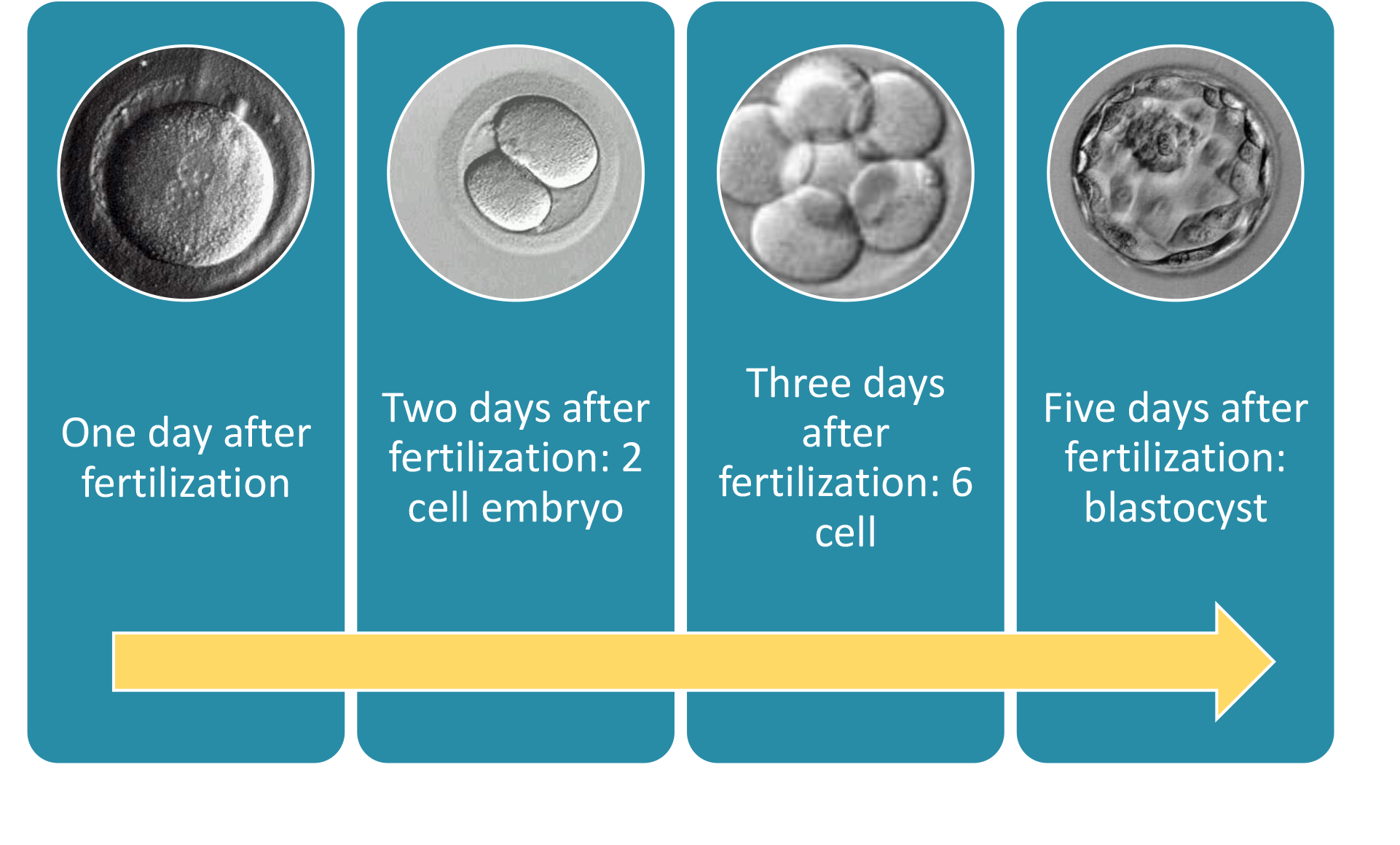
Steps In The IVF Process IVF Center In Louisiana Fertility Answers

GnRH Antagonist Mechanism Of Action The Main Advantages Of GnRH
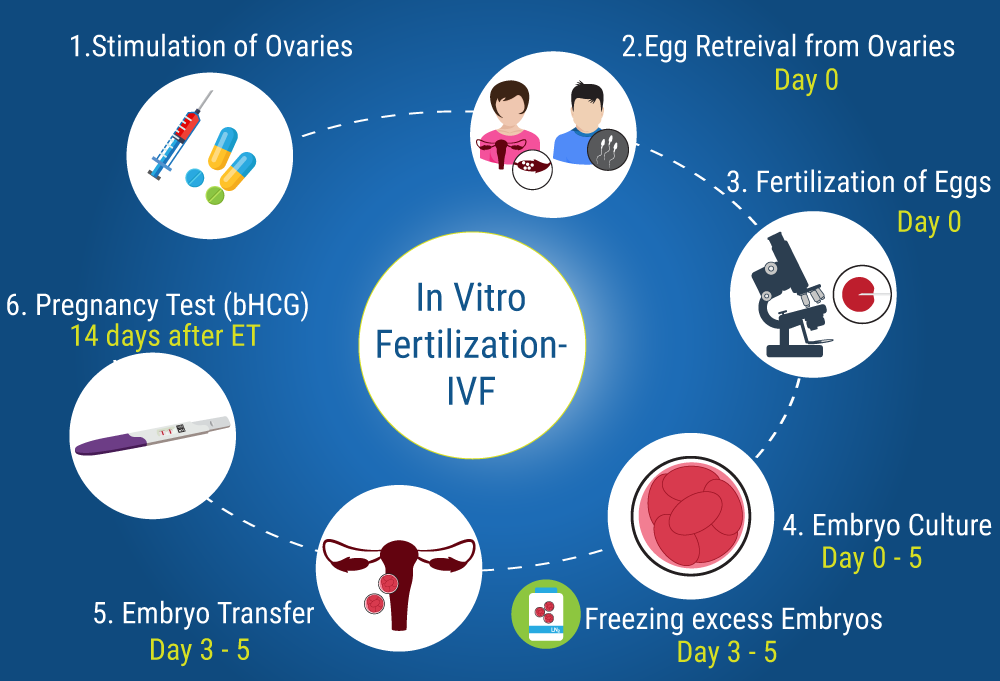
In Vitro Fertilization IVF What Is IVF When Is IVF Recommended

Diferencia Entre Agonista Y Antagonista Faq Freak
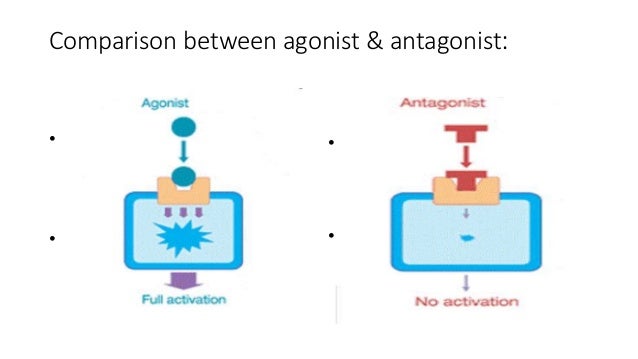
What Is The Difference Between An Agonist And Antagonist Slidesharedocs

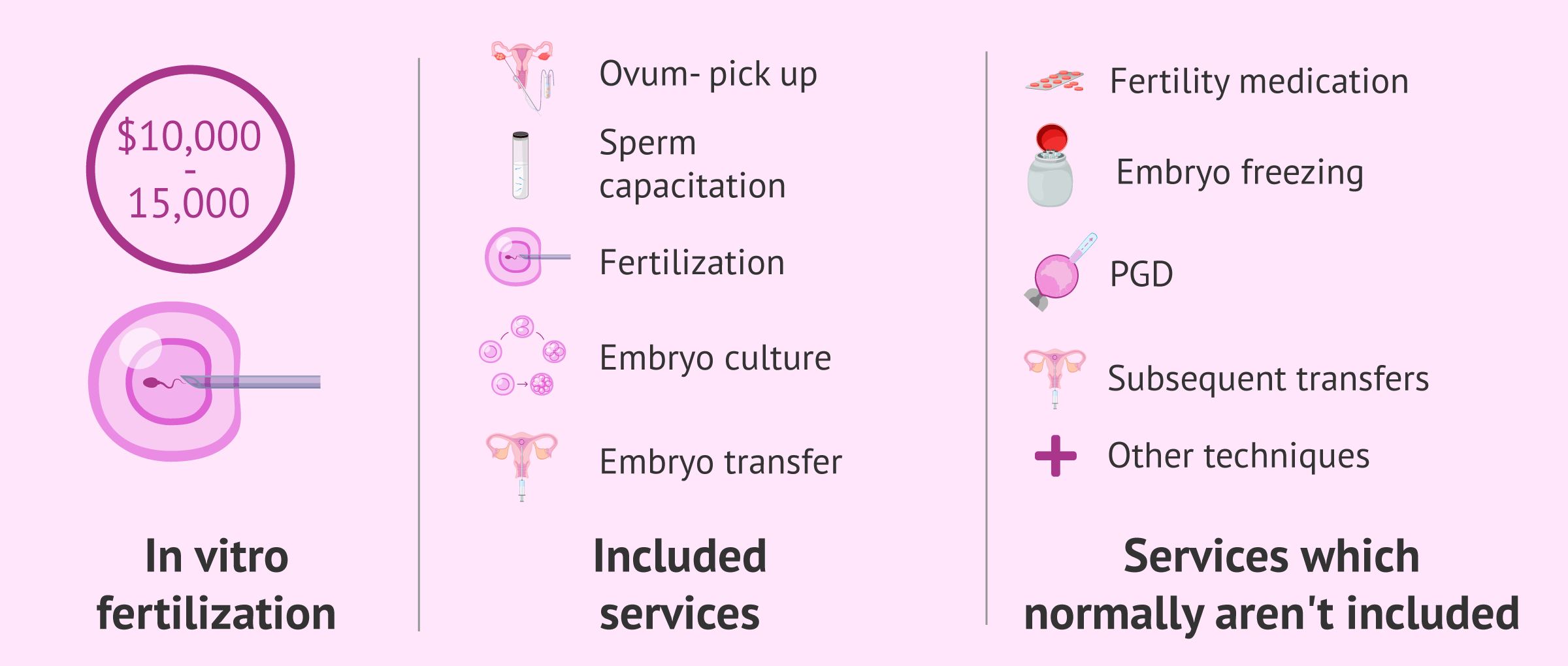
What Is In What Is Out UIT IVF

https://www.goodrx.com/conditions/fertility/antagonist-ivf
Feb 12 2016 nbsp 0183 32 Key takeaways GnRH antagonists are medications that help your ovaries produce more eggs GnRH antagonists are used during several types of in vitro fertilization IVF protocol GnRH antagonists can cause side effects like headache nausea and stomach pain But these symptoms are usually mild Space Cat iStock via Getty Images Plus

https://www.cnyfertility.com/antagonist-protocol-ivf
Sep 24 2024 nbsp 0183 32 The Antagonist protocol is a medication regimen for IVF that uses injectable FSH Follicle Stimulating Hormone to stimulate egg development along with GnRH Antagonists which prevent ovulation so that the eggs can be surgically retrieved at the optimal time

https://progyny.com/education/ivf-facts/ivf-antagonist-protocol
The IVF Antagonist Protocol Explained There are several IVF protocols that can be used to stimulate the ovaries of in vitro fertilization IVF patients With each the goal is to retrieve the optimal number of eggs required to obtain enough healthy embryos to result in

https://www.invitra.com/en/gnrh-antagonists
Sep 11 2023 nbsp 0183 32 GnRH antagonists are drugs used in assisted reproduction treatments to control ovarian function and prevent spontaneous ovulation They are the most commonly used GnRH agonists in short ovarian stimulation protocols
https://progyny.com/education/ivf-facts/which-ivf-protocol
Antagonist Protocol or Short Protocol This is the most commonly used IVF protocol It involves the fewest number of injections and is effective for the majority of patients You may be instructed to use birth control pills prior to starting an IVF cycle
Jul 21 2023 nbsp 0183 32 The Short IVF Protocol The short IVF protocol also called the antagonist protocol is a more recent advancement in IVF treatment Unlike the long protocol patients start ovarian stimulation using FSH and LH injections without the initial GnRH agonist phase Sep 1 2017 nbsp 0183 32 In a general IVF population GnRH antagonists are associated with lower ongoing pregnancy rates when compared to long protocol agonists but also with lower OHSS rates Within this population antagonist treatment prevents one case of OHSS in 40 patients but results in one less ongoing pregnancy out
Antagonist This is the most commonly used protocol whose primary features are a shorter duration of injections and a far lower rate of OHSS thanks to the ability to use Lupron as a trigger For this reason the antagonist protocol is a good option for those women most susceptible to