Semantic Extension Meaning WEB Semantics is the study of linguistic meaning It examines what meaning is how words get their meaning and how the meaning of a complex expression depends on its parts Part of this process involves the distinction between sense and reference
WEB taking place in this domain can be described by means of semantic extensions 7 1 Towards semantic extensions The phenomena observed among the data collected and analysed in Chapter 5 are semantic in character The form of a state name remains unchanged in all contexts while its semantics undergoes modi ca tions WEB The Semantic Web sometimes known as Web 3 0 not to be confused with Web3 is an extension of the World Wide Web through standards 1 set by the World Wide Web Consortium W3C The goal of the Semantic Web is
Semantic Extension Meaning
 Semantic Extension Meaning
https://www.sikich.com/wp-content/uploads/2023/06/semanticindexing.jpg
WEB Meaning Extension and Intension So meaning in Semantics is defined as being Extension The thing in the world that the word phrase refers to plus Intension The concepts mental images that the word phrase evokes 3
Templates are pre-designed files or files that can be used for numerous purposes. They can save effort and time by providing a ready-made format and layout for creating various kinds of material. Templates can be used for individual or expert jobs, such as resumes, invites, leaflets, newsletters, reports, discussions, and more.
Semantic Extension Meaning

Semantic Definitions

The BioLexicon Semantic Extension Download Scientific Diagram

The Meaning Of Words A Study In Semantics

The Semantic Wiki Extension Space Download Scientific Diagram
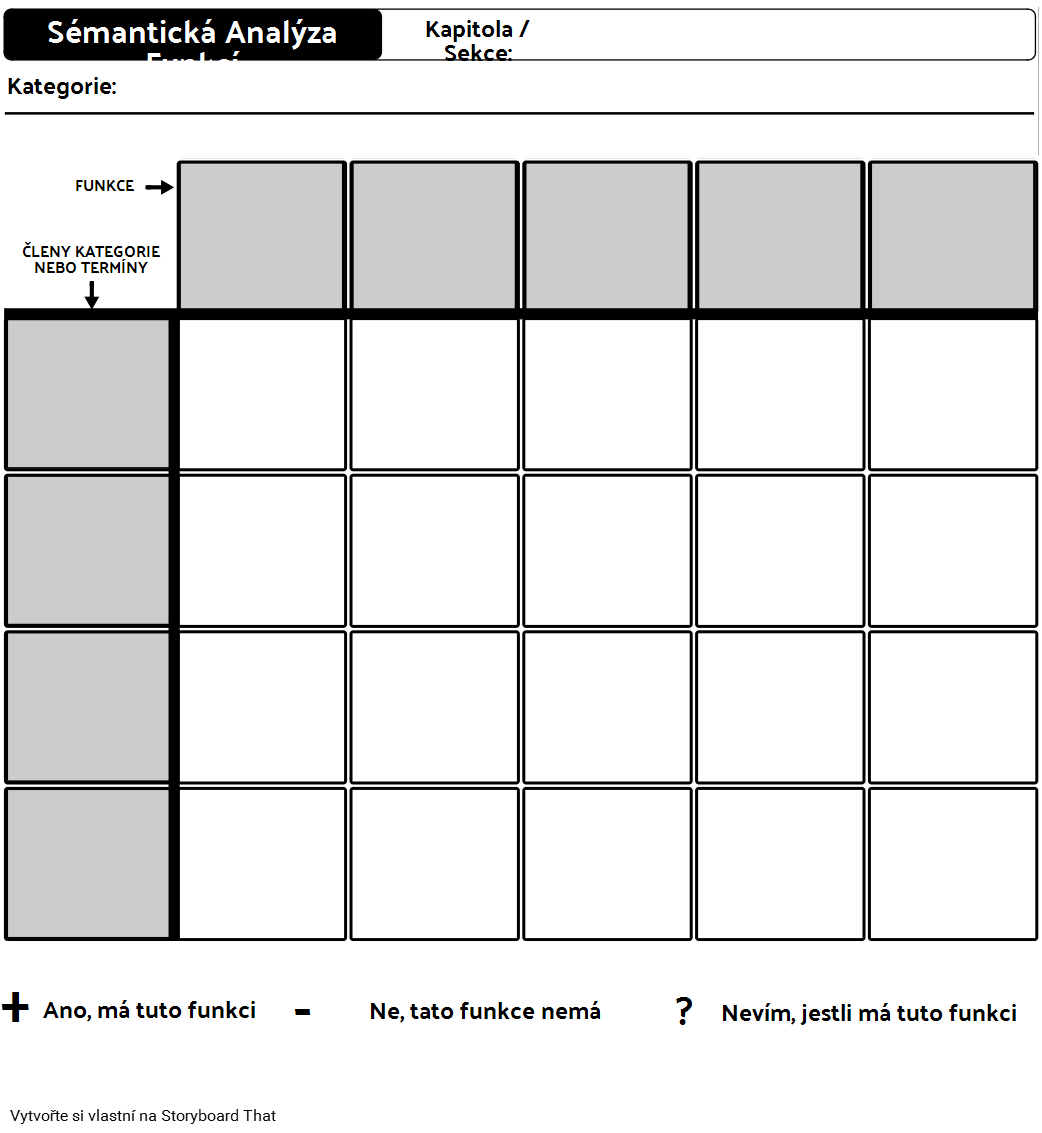
ITA Semantic Analysis Feature Storyboard By Cs examples
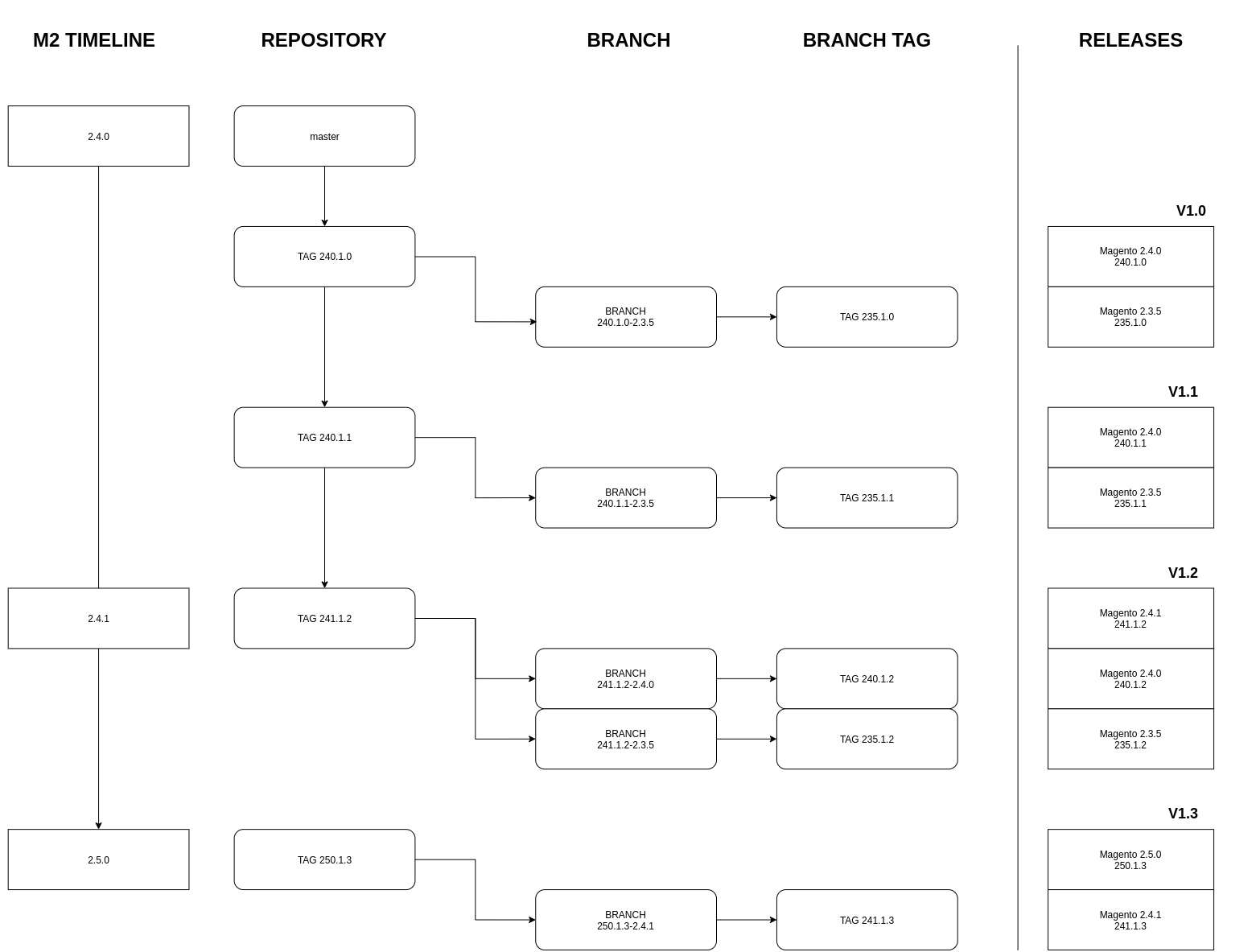
Semantic Versioning For Extensions

https://www.britannica.com/topic/extension-logic-and-semantics
WEB extension in logic correlative words that indicate the reference of a term or concept intension indicates the internal content of a term or concept that constitutes its formal definition and extension indicates its range of applicability by naming the particular objects that it denotes For

https://oxfordre.com/linguistics/display/10.1093/...
WEB Traditional approaches to semantic change typically focus on outcomes of meaning change and list types of change such as metaphoric and metonymic extension broadening and narrowing and the development of positive and negative meanings

https://www.sciencedirect.com/topics/social-sciences/semantic-change
WEB This article discusses the standard categories of semantic change broadening narrowing pejoration amelioration metaphor and metonymy lexical semantic features of electronic language and processes of bleaching and subjectification semantic pragmatic change in Internet Relay Chat

https://link.springer.com/chapter/10.1007/978-981-13-6854-7_5
WEB Mar 2 2019 nbsp 0183 32 This chapter explores the relationship between idiomaticity and semantic extension Idiomaticity is not arbitrary but systematically developed through semantic extension at various levels which is in turn motivated by
https://www.academia.edu/44666794/Semantic...
WEB Semantic Extension as a Source of Metaphorical Meaning in Mani s Youth Language Isa Yusuf Chamo 2019 Bayero Journal of Linguistics This paper examines the use of semantic extension as source of metaphorical expression in the language of youth of Mani town Katsina state
WEB Mar 31 2022 nbsp 0183 32 The paper scrutinizes the very notion of extension which is central to many contemporary approaches to natural language semantics The starting point is a puzzle about the connection between learnability and extensional compositionality which is frequently made in WEB Dec 31 2006 nbsp 0183 32 Subjectification is a recurrent and highly important type of semantic extension and is often a central factor in the evolution leading from lexical to grammatical elements
WEB If none of the established senses of a word allow for a coherent or intelligible sentence meaning the hearer tries to create an extended meaning for one or more words that makes sense in the current speech context