How To Join The Texas State Guard Theta join is analogous to a special case of inner join where the on is a theta comparison on of a column from each Some decades after Codd defined them some textbook s misdefined theta
The fact that when it says INNER JOIN you can be sure of what it does and that it s supposed to be just that whereas a plain JOIN will leave you or someone else wondering what the I 180 m trying to join two tables but I get this error Msg 468 Level 16 State 9 Line 8 Cannot resolve the collation conflict between quot SQL Latin1 General CP1 CI AS quot and
How To Join The Texas State Guard
 How To Join The Texas State Guard
https://statedefenseforce.com/main/wp-content/uploads/2021/11/247890451_261136409378731_8465522327202343180_n-1920x1440.jpg
Feb 4 2016 nbsp 0183 32 FROM Table1 t JOIN Table2 t1 ON t1 PhoneNumber t PhoneNumber1 JOIN Table2 t2 ON t2 PhoneNumber t PhoneNumber2 What i did No need to specify INNER it s
Templates are pre-designed documents or files that can be used for numerous purposes. They can save time and effort by supplying a ready-made format and design for developing different kinds of content. Templates can be used for individual or expert tasks, such as resumes, invitations, leaflets, newsletters, reports, presentations, and more.
How To Join The Texas State Guard

TX State Guard SAR Team Conducts Field Training Exercise
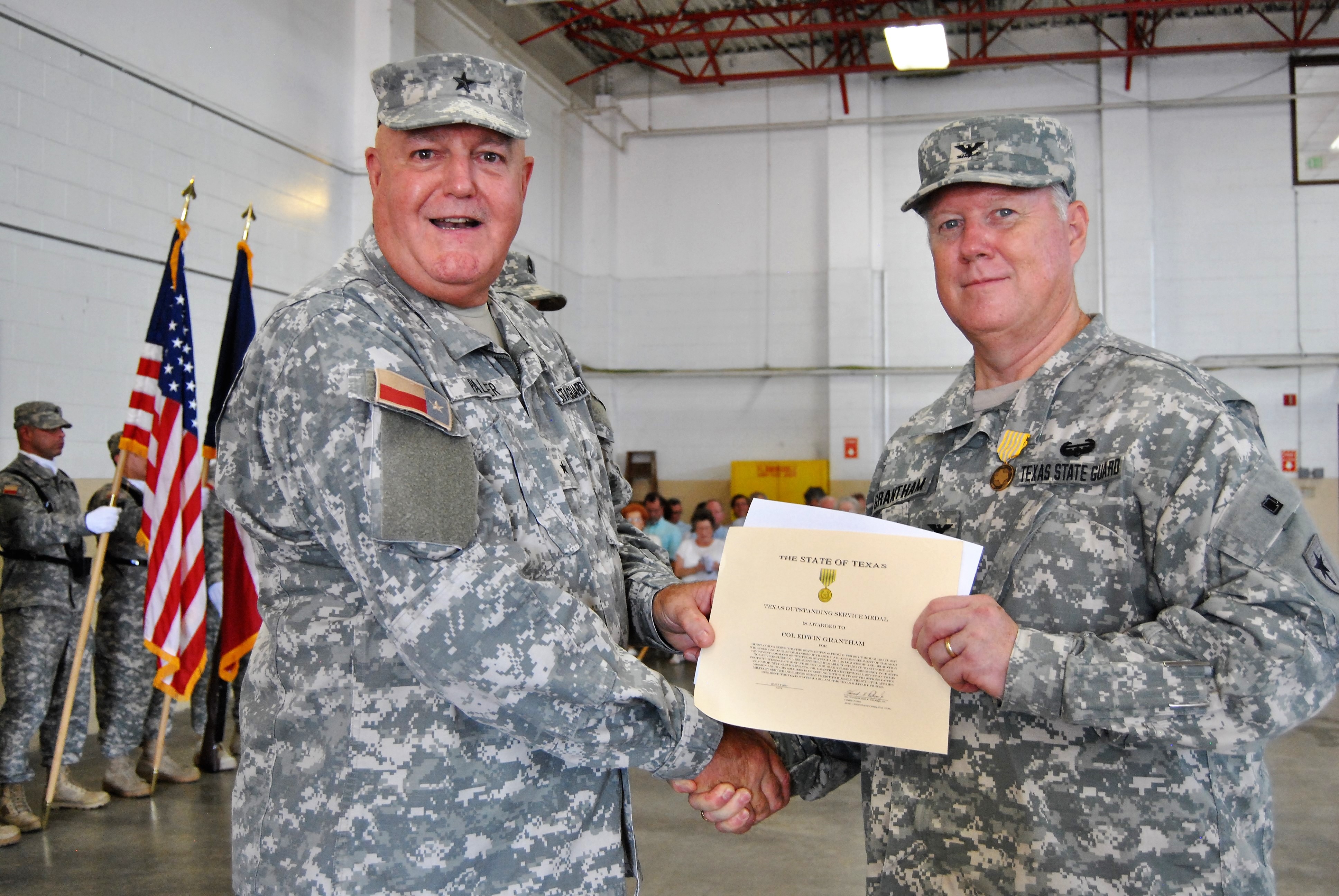
Col Grantham Tapped As Army Component Chief Of Staff Texas Military

Legislation Filed To Protect Texas National Guard From Unconstitutional

New Benefits For Texas State Guard Soldiers Texas Border Business

New Recruits Take The Oath To Join The Texas State Guard

Pin By Daniel Ferguson On Texas State Guard Texas State Texas Guard

https://stackoverflow.com › questions
I m pretty new to Python and am completely confused by join which I have read is the preferred method for concatenating strings I tried strid repr 595 print array array c random sample

https://stackoverflow.com › questions
The question and solutions pertain specifically to INNER JOINs If the join is a LEFT RIGHT FULL OUTER JOIN then it is not a matter of preference or performance but one of correct results

https://stackoverflow.com › questions
Apr 21 2012 nbsp 0183 32 Instead you simply JOIN to both tables and in your SELECT clause return data from the one that matches I suggest you to go through this link Conditional Joins in SQL

https://stackoverflow.com › questions
Jan 2 2009 nbsp 0183 32 Here s a list of equivalent syntaxes A LEFT JOIN B A LEFT OUTER JOIN B A RIGHT JOIN B A RIGHT OUTER JOIN B A FULL JOIN B A FULL OUTER JOIN B A INNER

https://stackoverflow.com › questions
Compare these 2 queries Is it faster to put the filter on the join criteria or in the WHERE clause I have always felt that it is faster on the join criteria because it reduces the result set at the
[desc-11] [desc-12]
[desc-13]